




Plan an auto electrician’s website around the four questions a customer needs answered before they ring. Is my problem your kind of work? Do you work on my vehicle? Do you come to me, or do I bring it in? How does the fault get found and the job priced? Then name each page after what the customer notices, such as a car that will not start, rather than the technical system behind it.
Picture a driver whose mechanic has just said, “That’s an electrical problem. You’ll need an auto electrician.” They have a symptom, a phone and no idea what to type.

Each of the four questions has a natural home on the site. Put the answer there, in plain words, and the customer can decide quickly whether to call.
Electrical work makes these harder than they look. A driver booking a service knows what a service is. A driver with a flat battery every second morning only knows the symptom. If the site cannot tell them they are in the right place, they ring the next number on the list.

Some customers arrive because a mechanic has passed on the job. Others have searched for a symptom and landed on the site. Either way, they may never have used an auto electrician before.
Give them one plain paragraph near the top of the home page. Say what kinds of jobs the business takes on, using the service names it already uses on its own pages. Then say it again in the customer’s words. A line such as “We find and fix faults with starting, batteries, warning lights, wiring and accessories” does more work than a list of systems.
Keep it short. The paragraph is there to tell a newcomer they have found the right trade, so a full explanation of the trade does not belong in it.

Customers describe what they notice. The car will not start. The battery keeps going flat. A warning light has come on. The lights or an accessory have stopped working. The air conditioning is not cold.
A site organised by technical system makes the customer translate. “Charging systems” and “body electrics” are accurate menu labels, but a worried driver will not always connect them to the problem in front of them. Whether each service needs its own page is a separate question, answered in our piece on a page for every service. The point here is naming and grouping.
| What the customer says | A menu label they may not recognise | What the page should do |
|---|---|---|
| My car won’t start | Starting systems | Confirm the business takes these jobs, and ask for the vehicle and whether it can be driven in |
| My battery keeps going flat | Charging systems | Ask for the vehicle, how often it happens and whether it is getting worse |
| A warning light is on | Electronic diagnostics | Ask which light, whether it stays on or comes and goes, and explain that the fault is found before a repair is quoted |
| My lights or accessories stopped working | Body electrics | Ask which item, and whether it came with the vehicle or was added later |
| My air conditioning isn’t cold | HVAC | Say whether the business does vehicle air conditioning, show the licence reference and ask for the vehicle |
Each page should open with the customer’s words in its heading and use the technical term once, lower down, for the customer who already knows it. That way both kinds of reader find the page.
None of these pages needs to explain what is wrong with the car. Its job is to confirm the work is taken on, gather the details that make the first call useful and show the next step.
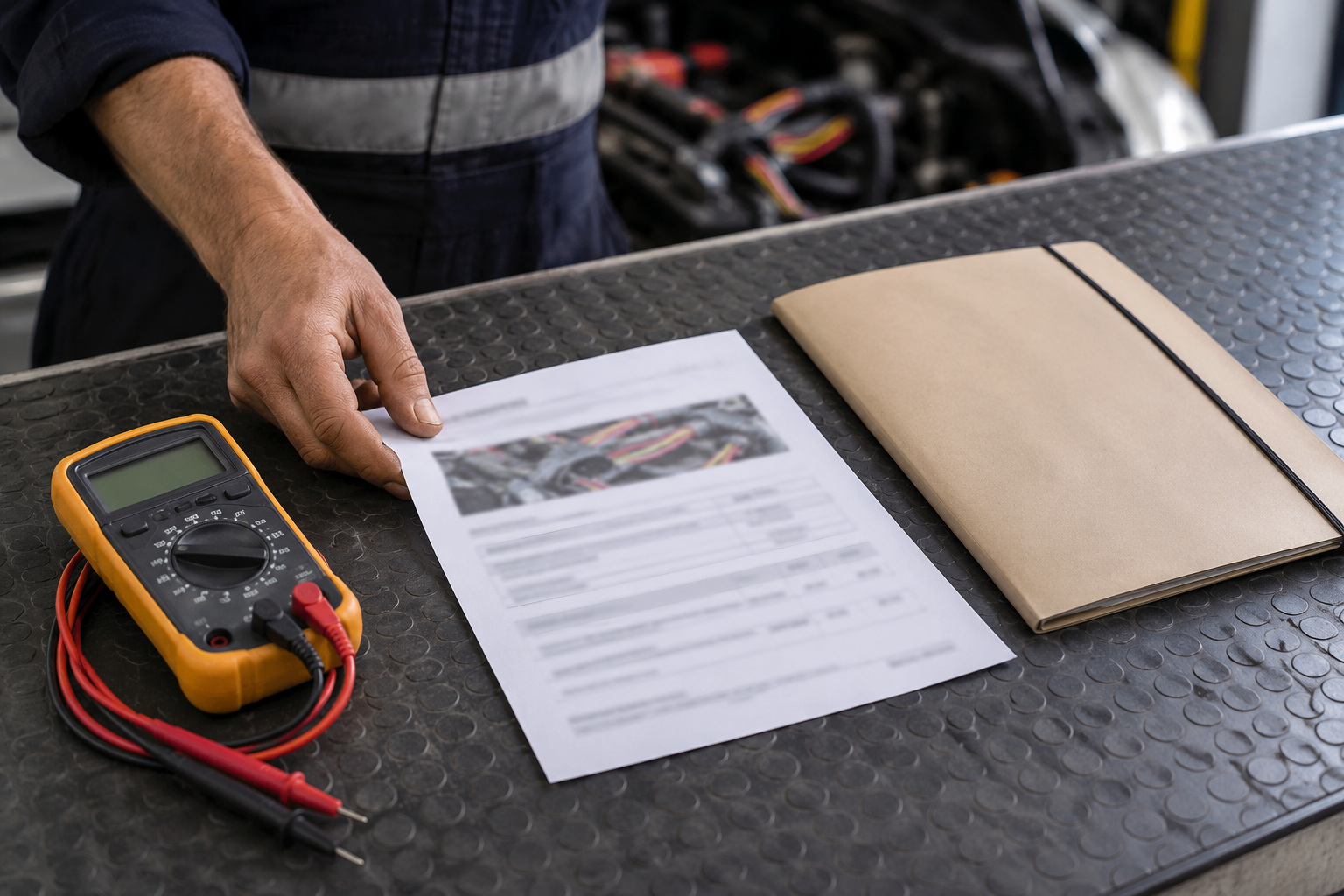
Where a fault has to be found before it can be priced, the site should set out the order of work. The fault is found first. The repair is quoted next. Then the page says when the customer is asked to approve it.
Then answer two questions that are better settled on the page than at the counter. Is the first assessment charged? If it is, does it come off the repair when the customer goes ahead? Say this in the business’s own terms. The site does not need a figure to be clear about how the charge works.
The case for charging for diagnosis is a separate argument, and it is set out in why a diagnostic charge is worth explaining. On an auto electrician’s site, the job is to describe the order of work so nobody is surprised by it.
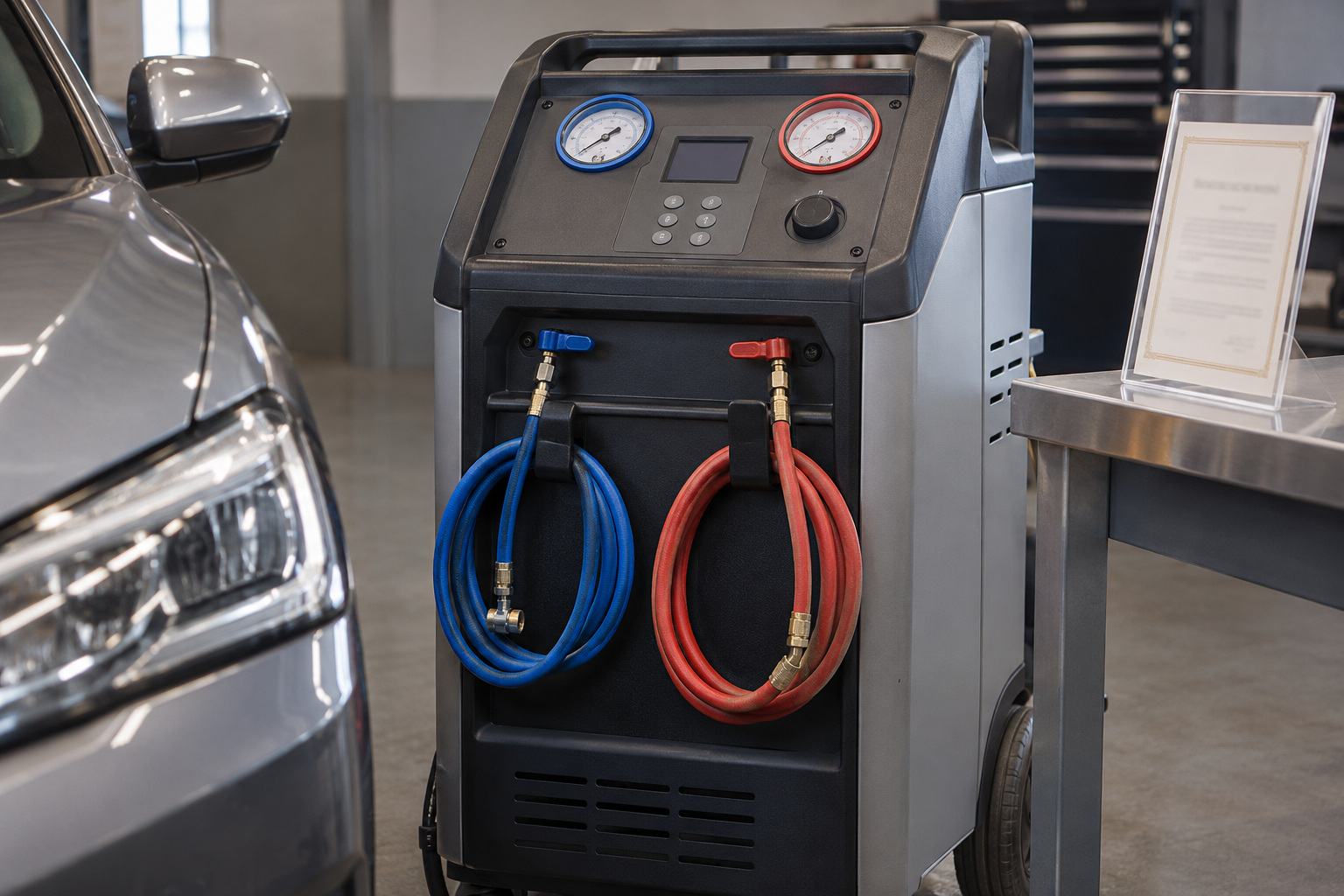
If the business does vehicle air conditioning, the licence reference belongs on the air conditioning page. That is the page a customer is reading when the question comes up.
Give the reference exactly as it appears on the licence. Add one plain line saying it is a refrigerant handling licence, who holds it, and that customers can check it online. If the licence lapses or the person who holds it leaves, update the page the same week.
How that public check works, and what it does and does not prove, is covered in what an accreditation badge promises customers. Other registration and contractor numbers follow the same logic, set out in our piece on licence numbers on a trade website.
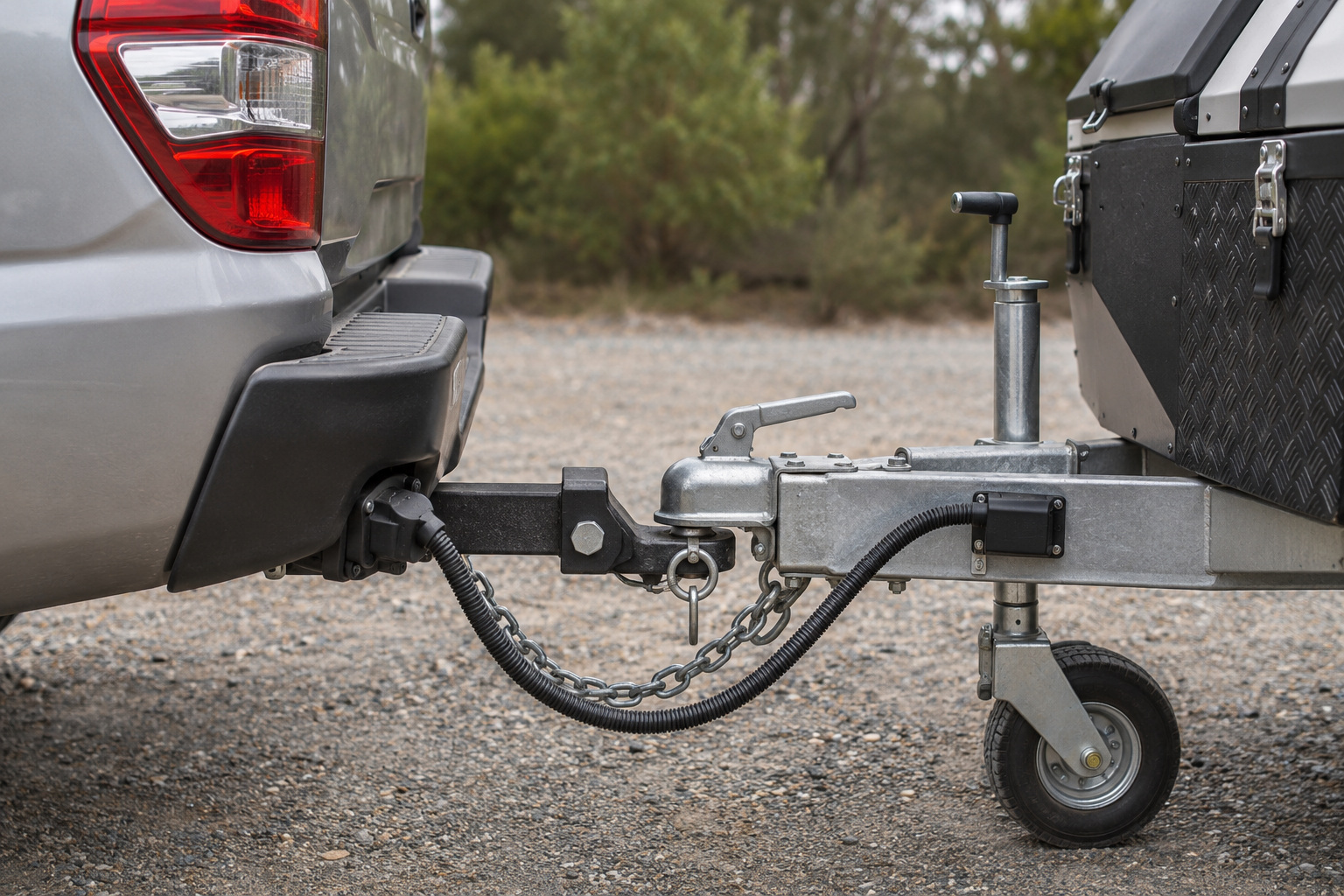
Auto electrical customers own more than cars. Depending on the business, the site may need to answer for 4WDs, caravans and camper trailers, light trucks, boats, and farm or plant equipment.
Say which of these the business takes on, and which it does not. A short, true list lets the right people see themselves in it. It also saves calls about jobs you would turn away. A line that promises every vehicle tells a caravan owner nothing.
Keep this to vehicle classes. Whether to list car makes is a different decision, covered in our guide to website design for car mechanics. Put the vehicles line where it is seen early: near the top of the services page, and again on any page where the class matters, such as a caravan or marine page.

Picture an auto electrician in a Melbourne light industrial area that takes work from workshops in neighbouring suburbs. Those workshops read the site differently from a driver. If referred work is part of the business, the site can answer what a referring workshop needs to know:
State these only if they are true for the business. A referral page that describes a process nobody follows will let the referring workshop down on the first job.
Fleet and business accounts are a different job again, covered in what fleet buyers need from a workshop website.
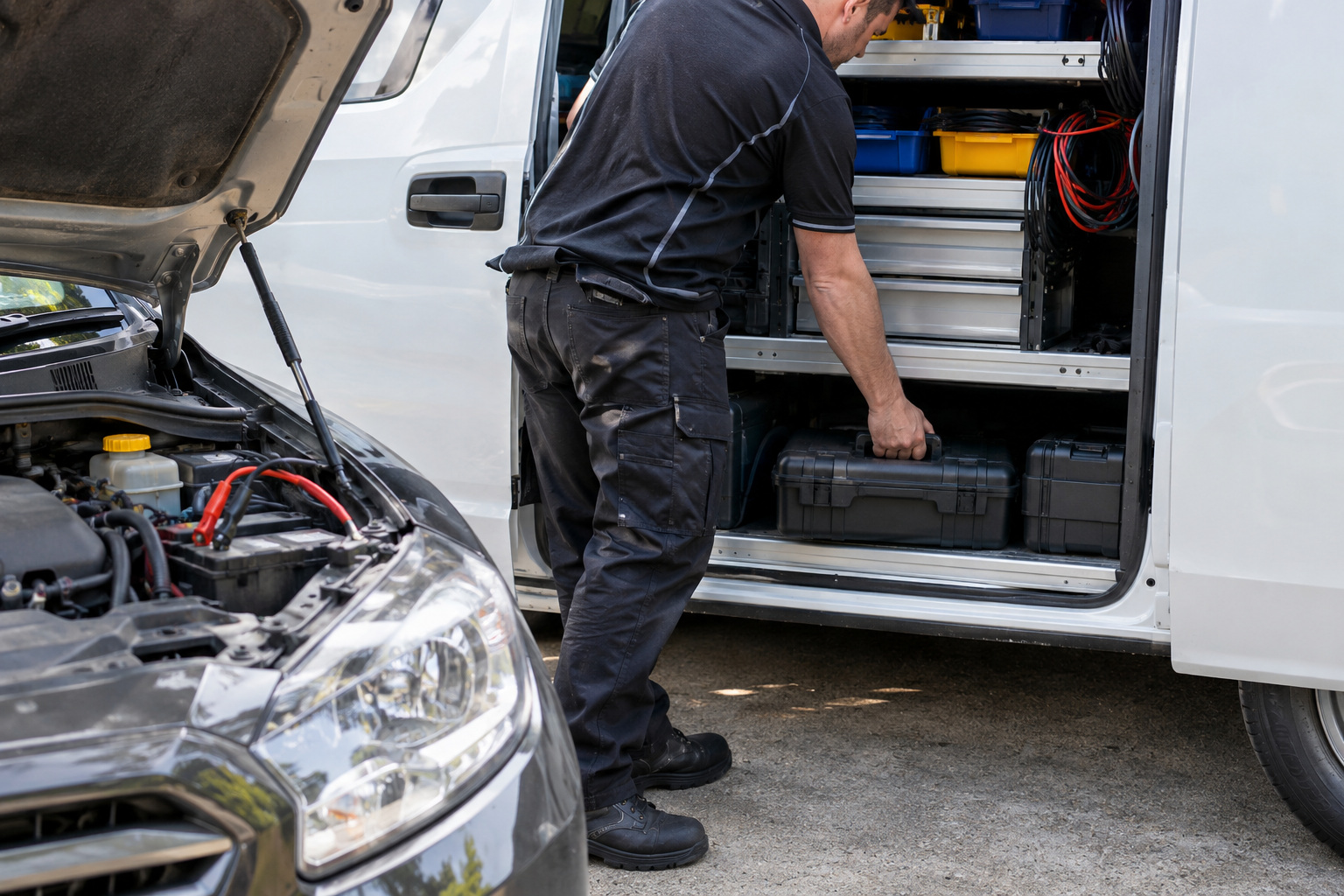
Be exact about where the work happens. Some auto electricians work only at the vehicle, some only in the workshop, and others do both.
A call-out line should say which jobs can be done on site and which need the vehicle brought in. It should also name the area covered for call-outs, using suburbs or corridors a customer recognises. If the call-out area is smaller than the area the workshop serves, say both. A customer stuck in a car park needs to know in one line whether help can come to them.
Put the call-out line on the home page and on each symptom page where a call-out is likely, such as the page for a car that will not start.

Start with the services page, organised by the symptoms in the table above. Each symptom gets a heading in the customer’s words, two or three lines on what the business does about it and the details to have ready when they call.
Then write a how-a-job-works page. It answers diagnosis, call-outs and vehicles in one place, so a customer who reads it knows what will happen before they pick up the phone. The services page can link to it from every symptom.
CJ Digital works with automotive businesses, auto electricians among them, and these are the two pages we would plan first.
Write both, then read them aloud to someone who has never needed an auto electrician. Every question they ask is the next line to add.