




Consider a builder comparing two suppliers on a Tuesday before a job starts on Thursday. Each is a drive away, so he checks their websites before choosing which to contact. He needs to check the requirement and arrange the visit. For a Ringwood trade business, that means explaining the offer and the enquiry process before someone sets off.
Before a customer visits, make four things clear on the website:
Sending an enquiry does not, by itself, confirm an arrangement. The response should distinguish a received request from an agreed time, item or collection.
A fixed-premises supplier or workshop needs different information from a business that travels to its customers. Retail and appointment visits bring their own questions too. The common test is whether someone can check the offer and the arrangements before travelling.

For a business receiving visitors, the website should explain why and how someone can attend.
The council describes the centre as a designated metropolitan activity centre. It covers a large area around Maroondah Highway, the town-centre street and the train station. The council lists the station, the major roads including EastLink, bus routes and footpaths among the ways in.
Those connections allow different ways to reach the area. They do not tell an owner where their own customers come from or how they travel. Give visitors the information relevant to the actual premises rather than assuming everyone drives.
A retail visit, a trade collection and an appointment call for different information. A business may receive one or more of these kinds of visitor; describe the arrangements you have.
| The visitor | What they need to check before leaving | What the site has to state |
|---|---|---|
| A trade customer collecting something | Whether this supplier has the right thing, and whether the trip is agreed | The offer in plain terms, the details needed for a specification question, and how collection is agreed |
| A retail or food customer | Whether it is open and offers what they need | Current hours, and an honest description of the range or the service |
| Somebody with an appointment | What the service is, where it happens, and how to book | The service, the location and one correct booking route |
Use the row that matches your business as an example. If you serve more than one kind of visit, make the relevant information clear for each, without implying every business needs all three.

A customer visiting to collect, inspect or commission something may need to set aside work time for it. Help them check the requirement and arrangements before leaving.
Start with what the business supplies or does. Use plain language alongside the trade term where it helps the customer identify the requirement. Then say which kind of enquiry suits the question. A product question, a service booking and a trade supply request are three different conversations. One form can handle them if it identifies the enquiry and asks the relevant questions.
Ask for the details needed to assess the particular request. Depending on the offer, that might be a model, size, quantity or required date. If staff need those details to answer, make that clear before the customer sends only a name and number.
Make the response match the process. If the form sends a request for staff to assess, say that it has been received and explain how the answer will come back. Use a booking or collection confirmation only when the actual arrangement has been agreed. Give a reply-time expectation only if the business can meet it.
A catalogue or live stock feed is not a prerequisite for a useful enquiry route. Start with accurate product or service information and explain what staff must check before agreeing to the request.
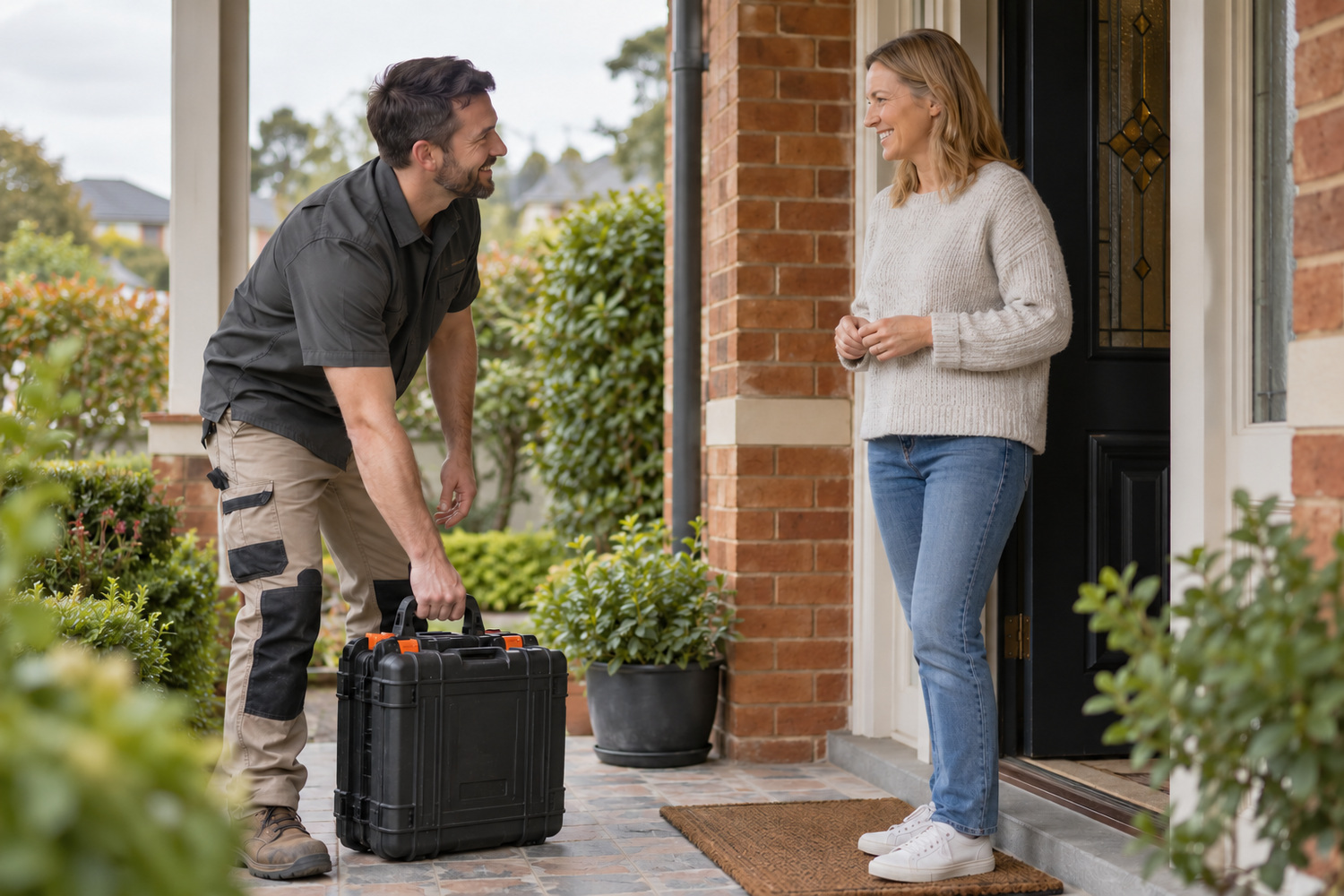
State separately where the business is based, where it works and whether it accepts visitors. A reader needs the answer that applies to their intended visit.
A business can be based in one place, work across several, and still take no visitors. Another may accept visitors at its base as well as working off-site. State each relevant fact plainly. A suburb name alone does not explain whether customers can visit.
If customers cannot attend and the work happens at their address, explain where the business genuinely works. The separate advice on website information for a service-area business covers those questions.
Nothing on the page should promise attendance everywhere it is read. Naming a suburb is not the same as being in it.

A shopper needs current opening and offer information. Someone booking an appointment also needs to find the relevant service and booking route.
For a retail visit, make current trading hours and an accurate description of the range or service easy to check. An outdated description could send somebody on a wasted trip.
For an appointment, identify the service, where it happens and the correct booking route. If different services use different routes, label them so the visitor can choose the relevant one.
In either case, check that the visitor can find the relevant next step without guessing.
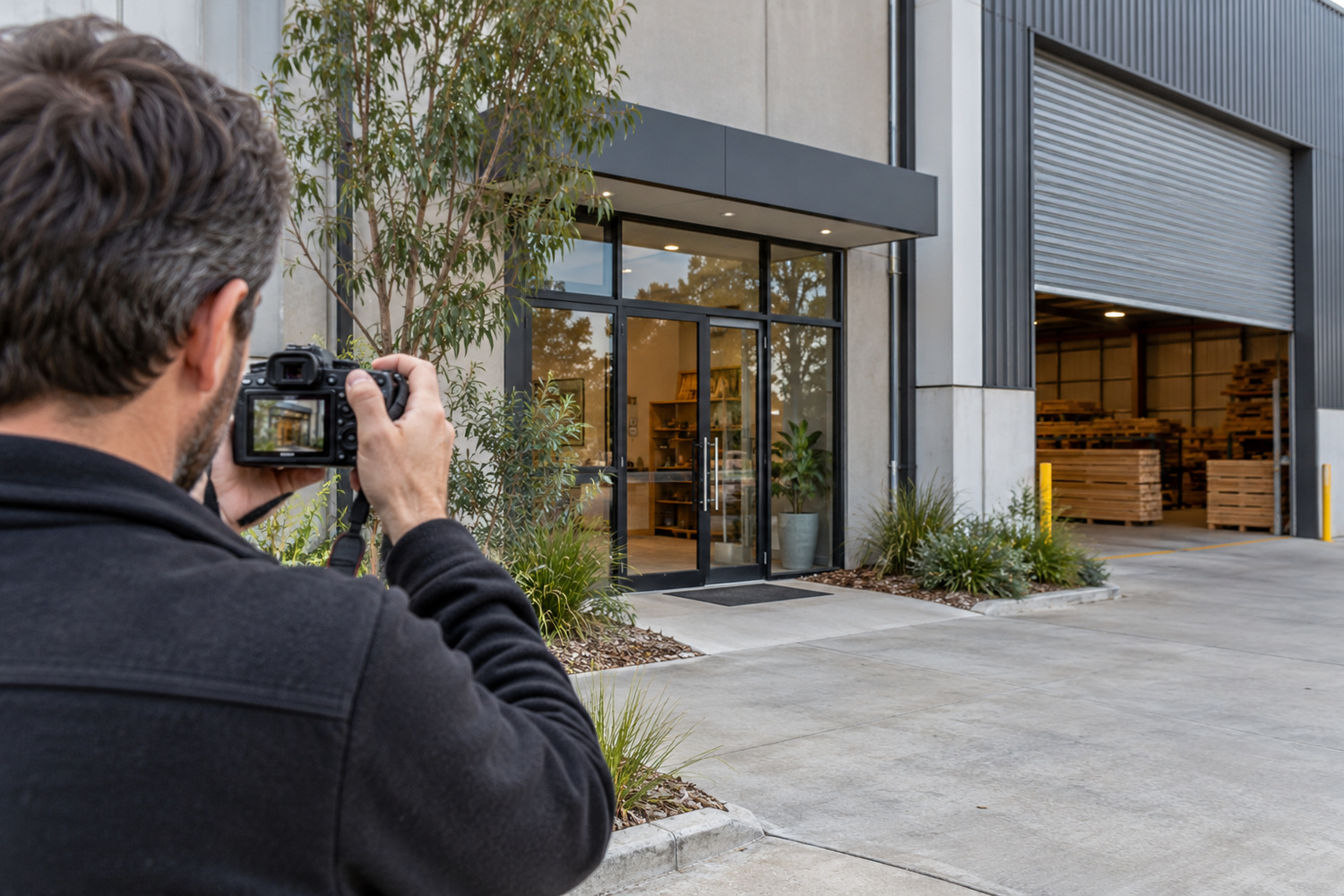
An address can identify the premises without explaining where a customer should enter for a particular visit.
One site can have more than one correct answer. A counter for enquiries, a different point for collecting goods, a separate door for an appointment. If those arrangements apply, label the relevant entry for each visit. Check the actual premises before publishing the directions.
So publish the arrangement that is true today, in words. Name the entry for each kind of visit. Say what is closed or restricted, if anything is. A current photograph can help someone recognise the correct entry.
Leave out what the business does not control. Do not promise vehicle access or loading arrangements the business has not confirmed, or conditions on a public road it cannot control. Check that published instructions match the arrangements the business is authorised to offer.

A contractor may need to check a specification before agreeing to a collection. The website should show where that question goes.
For example, a contractor might ask whether a named material can be supplied to a stated size by a particular date. That calls for an answer to the requirement before any collection is agreed.
Give that enquiry a clear route to the person who can answer it. State the details needed to assess the request, without implying that sending them reserves goods or a collection time.
For that material request, an answer about size and availability still needs a separate collection arrangement. A useful response tells the contractor whether the requirement can be met and how to agree the next step. It does not turn the original form into a reservation.

Location and contact information need updating when the business changes.
The council adopted a masterplan for this centre in November 2018. It worked with the state government during 2024 to review it. The plan describes aims, not proof that the proposed work has been completed. Nothing here depends on a particular project going ahead.
A business may change its opening hours, entrance, services or trade-enquiry contact without any major development nearby. Those details still need updating on the site.
Choose editing tools the person responsible can use, and decide who checks each change. CJ Digital’s website design and development page describes a WordPress build where an owner can change text, prices and photographs. Ask your builder to show how the details on your own site are updated.
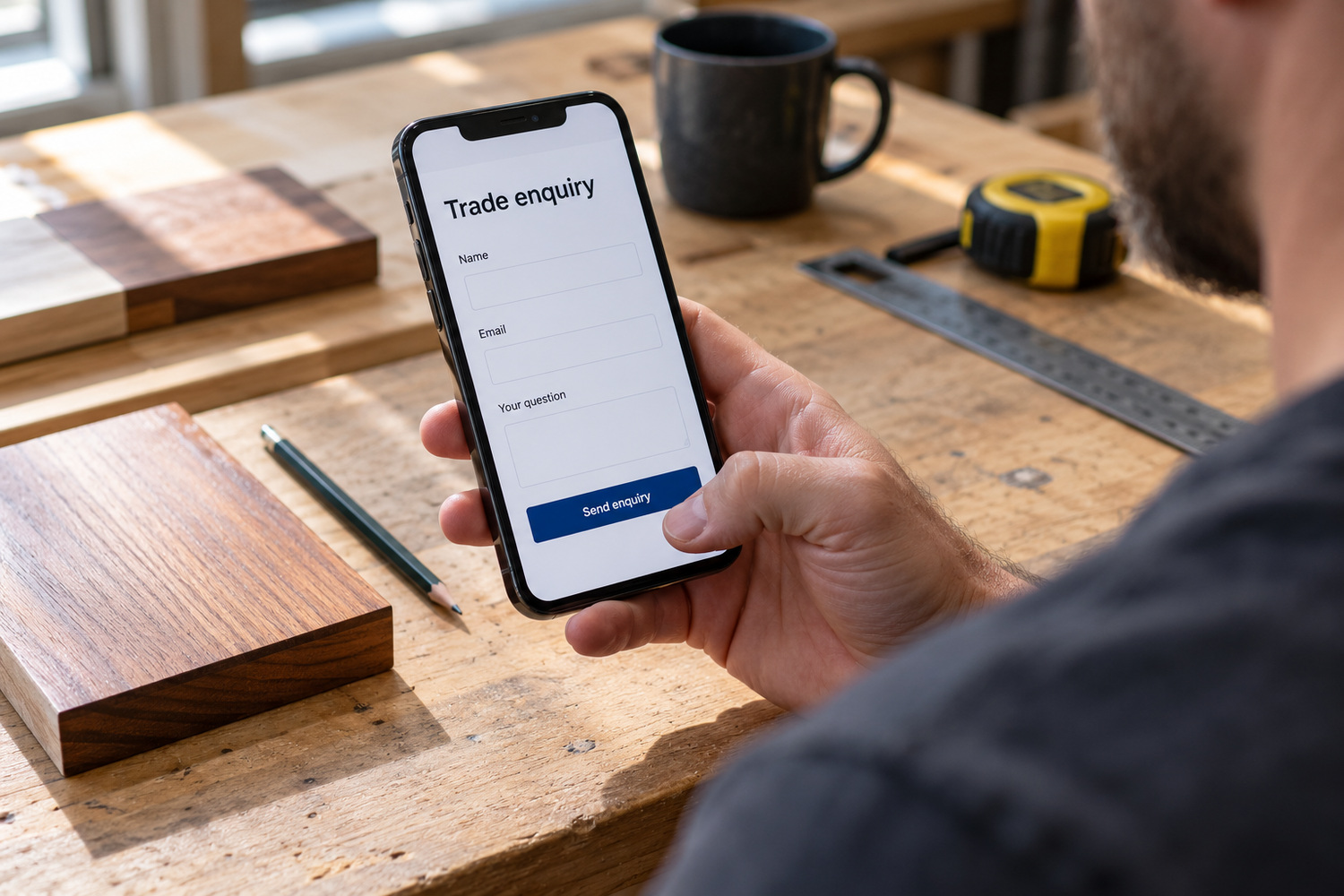
Check these three parts of the visit and enquiry information before adding more features.
Add further features only when they solve a clear customer need. Do not assume that a page for each neighbouring suburb is necessary. Advice on covering nearby areas on a website explains when a separate page may be useful.
Call your own business the way a new customer would. Then ask whoever answers which question they repeat most. Check whether that answer is missing, unclear or hard to find on the site. For a trade visit, look at the way in and what the enquiry does or does not confirm.
Label collection and postal addresses separately if they differ. If they are the same, one address can serve both, with the correct entry explained. Give couriers and customers the instructions relevant to their visit.
Not always: one form can work if it identifies the enquiry and collects the relevant details. Give the customer a clear way to receive the answer. A second form is useful when it needs different questions.
It can help when the correct entry is hard to identify from the address alone. Show the real entrance and keep the photograph current. Replace it when a change makes it misleading.