





A customer rings on a Tuesday morning. They like the sound of your workshop, the price is fair, and they are two streets away. Then it comes. The car is three years old. They think they have to go back to the dealer or they lose the warranty. You explain that they don’t. They book in.
That conversation goes fine every time you have it. The trouble is the people who never make the call.
A manufacturer’s new car warranty is not voided simply because an independent workshop did the servicing. The ACCC’s position sets three conditions. Qualified people, the manufacturer’s schedule and specification, and parts that are fit for purpose. What a customer can lose is an extended warranty with dealer-servicing conditions attached, which is a separate product with separate rules. Most workshops give this answer at the counter. The customers who most need it never get that far.
The Australian Competition and Consumer Commission (ACCC) is the national regulator for consumer law. Its 2017 market study into the new car retailing industry looked at this directly. It found that manufacturer warranties in Australia, in most if not all cases, do not require dealer servicing to keep the warranty. Owners can generally choose who services their car, as long as the work meets the manufacturer’s standards.
The Australian Automotive Aftermarket Association (AAAA) is the industry body for independent repairers and parts suppliers. Its Your Car, Your Choice material sets out three conditions:
Meet those three and the warranty stands. One qualification is worth knowing. If a non-genuine part fails, the manufacturer will not cover that part under its own warranty. The part is still covered by the supplier’s warranty and by consumer guarantees, so the customer is not left with nothing.
Consumer guarantees are automatic rights under the Australian Consumer Law. They apply when someone buys a car from a licensed dealer, and no warranty can replace, change or remove them. A warranty is a voluntary promise sitting on top of those rights. This is where the confusion starts, because dealers, manufacturers and customers all use the word warranty for several different things.
| What it is | Who provides it | Can dealer servicing be a condition? | What independent servicing does to it |
|---|---|---|---|
| Consumer guarantees under the Australian Consumer Law | Automatic by law when the car is bought from a licensed dealer | No | Nothing. They cannot be limited or removed by any warranty condition. |
| The manufacturer’s standard new car warranty | The car maker, included in the price | Not usually. The ACCC found most do not require it | Nothing, provided the three conditions above are met. |
| An extended warranty offered by the manufacturer | The car maker, often at no extra cost | Yes. Some are conditional on servicing in the dealer network | The extra years can be lost. The standard warranty and consumer guarantees are untouched. |
| An extended warranty sold by a dealer or insurer | The dealer or a third party, usually for a fee | Yes. The conditions sit in the contract | It depends entirely on that contract, which has to be read before the car goes on the hoist. |
| A state statutory warranty on a used car | The licensed trader who sold the car | It requires the customer to go back to that trader for covered repairs | Doing the repair yourself first can void it. |
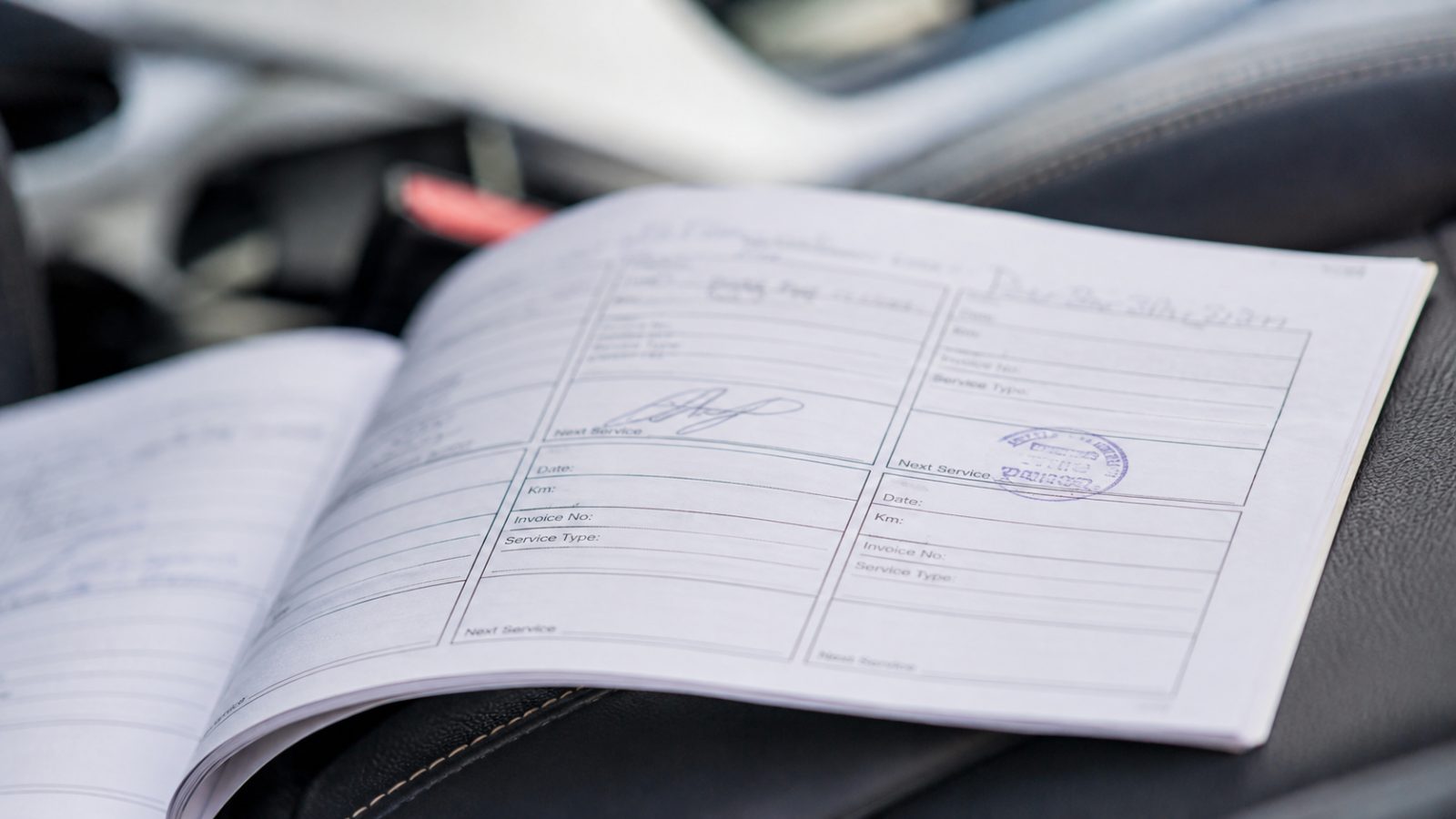
Yes. Some logbooks include a service box labelled for an authorised dealer stamp, and some service manuals imply the same thing. The ACCC’s position is the opposite, and the AAAA publishes it for consumers. An independent repairer can sign or stamp the relevant page once the service is done. The logbook and the warranty stay valid, provided the essential requirements are met.
The 2017 market study found statements in logbooks and service manuals that were likely to mislead owners about their rights. Those books are still sitting in glove boxes. A customer holding one is reading a piece of paper that tells them the opposite of the law. That is why answering it once at the counter does not fix the problem.
Two situations, and both belong on the page. Leaving them out is what turns a useful page into one that causes an argument later.
If a covered fault appears in that window, the customer has to go back to the trader who sold the car. Arranging repairs somewhere else first can void the statutory warranty and leave them paying for the work.
Statutory warranty rules differ in every state and territory, and the list of exclusions is long. Tyres, batteries and car audio are outside it in Victoria, and public auction sales carry no statutory warranty at all. Check the current position with your own state regulator rather than copying wording off another workshop’s site.
Because the decision is made before the phone is picked up. The customer asks a mate, reads the logbook, and looks at whatever comes up on their phone at nine at night. The dealer’s service department has an answer ready and a commercial interest in the outcome. If your site says nothing on the subject, that is the only voice in the room.
A page that answers this plainly does a second job as well. Name the ACCC and the AAAA on it as the sources. It gives the customer something solid to point at when a service adviser tells them otherwise.
The risk is not the topic. It is overclaiming on it. Misleading statements about warranty rights are the sort of thing the ACCC investigates. That applies to a workshop’s website the same way it applies to a dealership’s.
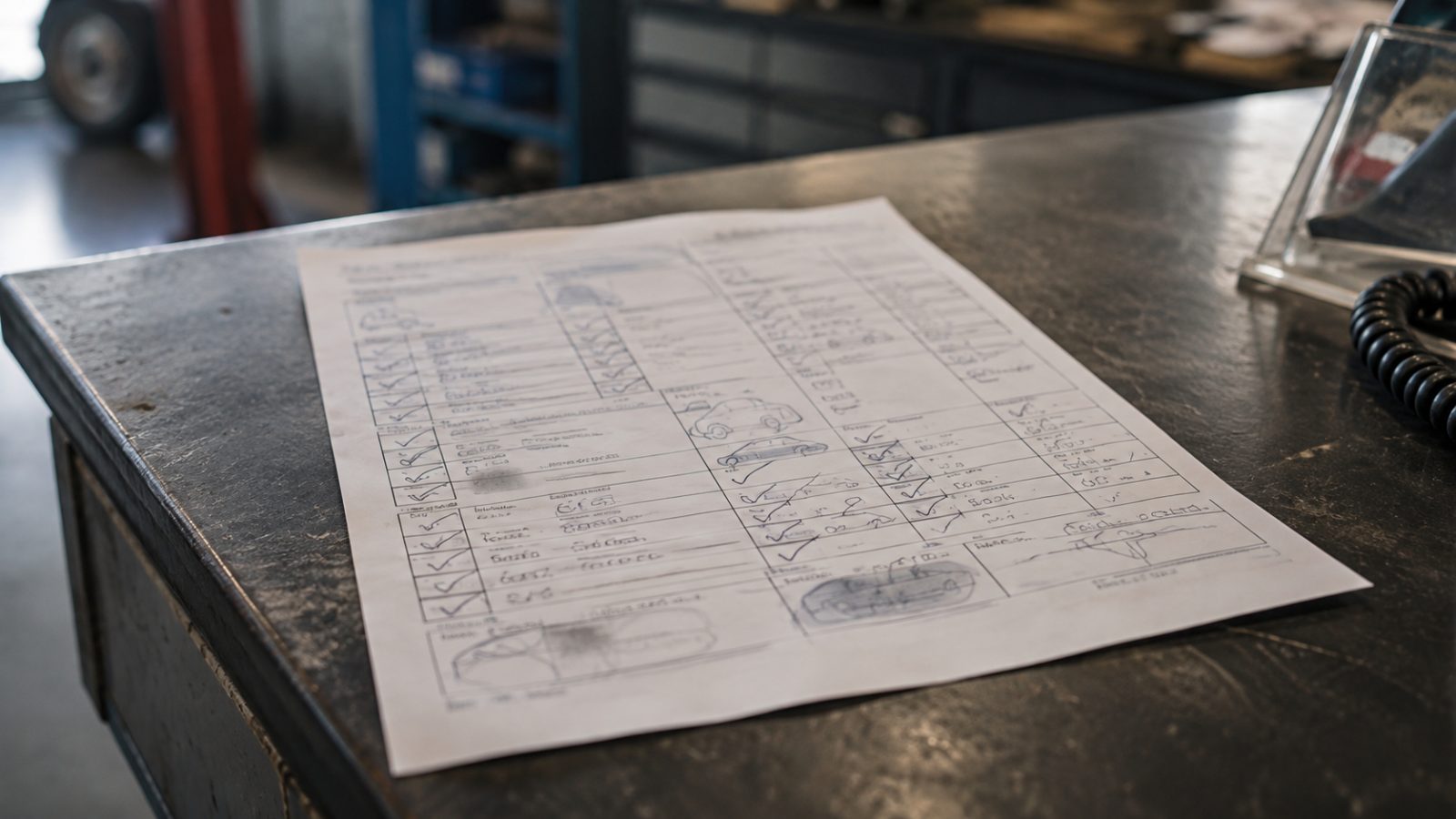
One page answers the objection. Three or four make the answer believable.
In February 2026 the ACCC named consumer guarantees in the motor vehicle sector as a priority for its 2026-27 compliance and enforcement work. The AAAA welcomed the focus. The confusion this page addresses is under active regulatory attention right now. That makes this a good year to publish and a poor year to guess.
Three things move, so diarise the page. Manufacturers add and change conditional warranty terms. State statutory warranty rules get amended. The ACCC updates its guidance. Put a “last checked” date at the bottom of the page and book a reminder for the same month next year.
A page that was right in 2026 and untouched in 2029 is worse than no page. A customer will hold you to what it says.
If your workshop’s site has nothing on this, it is the page to build first. CJ Digital builds and supports websites for independent workshops around Australia. Tell us what customers ask you at the counter and we will build the pages that answer it.
No. Parts have to be fit for purpose and meet the manufacturer’s specification. They do not have to be the manufacturer’s own branded parts. If a non-genuine part fails, the manufacturer will not cover that part under its warranty. The part stays covered by the supplier’s warranty and by consumer guarantees.
It is a mandatory scheme under the Competition and Consumer Act 2010. It requires car makers to sell service and repair information to Australian repairers at no more than fair market value. It covers passenger vehicles and light goods vehicles built on or after 1 January 2002. It does not cover motorcycles, farm, construction or heavy vehicles, motor homes or buses. The Australian Automotive Service and Repair Authority runs the day-to-day operation of the scheme.
The AAAA directs customers in that position to contact the ACCC on 1300 302 502. Customers of AAAA member workshops can also access a legal advice hotline on warranty rights. Keep the service records, the parts invoices and the fluid specifications, because that paperwork is the entire argument.
No. Consumer guarantees apply for a reasonable time. What counts as reasonable depends on things like the price and the expected life of the vehicle. A major failure after the manufacturer’s warranty has expired can still be a consumer guarantee matter.
Less so, and it is worth being honest about that. The page is aimed at the owner of a newer car who has never rung you because they assume they cannot. Say your bays are full of fifteen-year-old vehicles and you want them to stay that way. Put the effort into the pages that describe that work instead.