





Businesses in Clifton Hill have told us that they know this scenario well. The appointment goes to a Northcote clinic before the next tram arrives. A Clifton Hill parent has passed the same physiotherapy rooms on Queens Parade for years. When a sore knee starts affecting the walk to school, that clinic is the first name that comes to mind. Its website lists physiotherapy, but not which practitioner treats running injuries, how soon an appointment is available, or where the entrance sits above the shops. The familiar shopfront made the shortlist. The missing details lost the booking.
For a business in a local-serving strip, familiarity creates consideration, not certainty. The website still has to settle the practical questions that stand between recognition and a booking, visit, or enquiry. Clifton Hill makes that difference easy to see because many businesses serve people who already know the street, yet still compare options across Fitzroy North, Northcote, Fairfield, and Collingwood.
A useful Clifton Hill website does not try to make Queens Parade sound like Brunswick Street. It is built around the routines, services, and small decisions of a neighbourhood business district.
Queens Parade is not a smaller copy of Fitzroy's destination strips. It works as a neighbourhood centre, with retail, food and drink, wellbeing, and personal service businesses spread along the border of Clifton Hill and Fitzroy North. The nearby Berry Street and Ramsden Street shops, along with Spensley Street, serve an even tighter local catchment. That creates a different website brief from a bar, gallery, or fashion store trying to pull visitors across Melbourne.
A local cafe may depend on breakfast trade, school-run stops, and people deciding where to meet within the next hour. A health or professional suite may be visible from the street but entered through a side door or stairwell that needs explaining. A local trade or home service can be based nearby without relying on a shopfront at all. Each business needs a site that matches the decision being made, not a generic inner-north look.
On a strip used as part of the weekly routine, the useful page is often less dramatic than the shopfront. It carries current details, explains the next step, and gives a familiar business enough substance to be chosen.
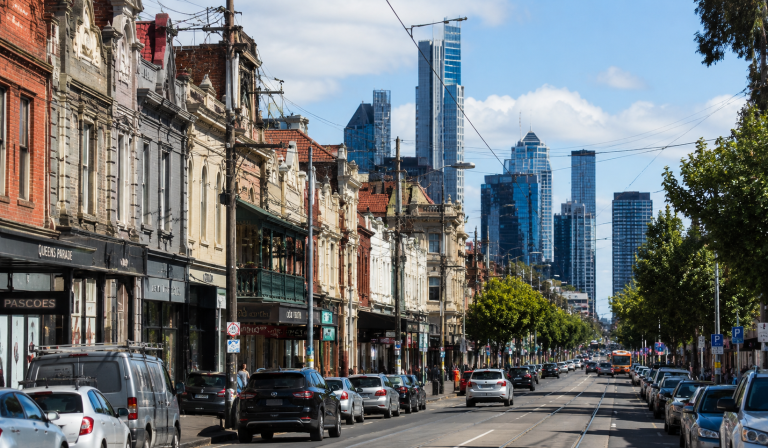
Business type sets the website's main job. Clifton Hill changes the supporting detail, especially around access, timing, and the line between a planned visit and a quick local decision.
| Business type | Main website job | Details that settle the decision | Useful local proof |
|---|---|---|---|
| Cafe, food, or retail | Turn a passing thought into a visit | Current hours, menu or product range, booking rules, dietary information, and live stock where practical | Clear Queens Parade address, tram-side location, parking or pickup detail, and recent photos |
| Health or professional suite | Build confidence before an appointment | Practitioner roles, services, fees or referral rules where suitable, online booking, accessibility, and entry instructions | Floor or suite number, entrance photos, nearby landmarks, and realistic travel information |
| Local service or trade | Show fit and make an enquiry easy | Exact services, service area, project examples, response expectations, and a short quote form | Real work in the surrounding area, clear boundaries, and local contact details without copied suburb pages |
Those jobs become more demanding on a phone. A cafe's opening hours need to sit near the top, not inside a footer written two years ago. A clinic's practitioner page must explain who does what before the booking button appears. A trade business needs enough detail to rule jobs in or out, which saves time on both sides.
Design still matters, but it cannot carry missing information. Heritage shopfronts and strong photography can give the page a Clifton Hill feel. The decision is usually won by plainer details: a service match, an available time, a clear entrance, or a form that takes less than a minute.
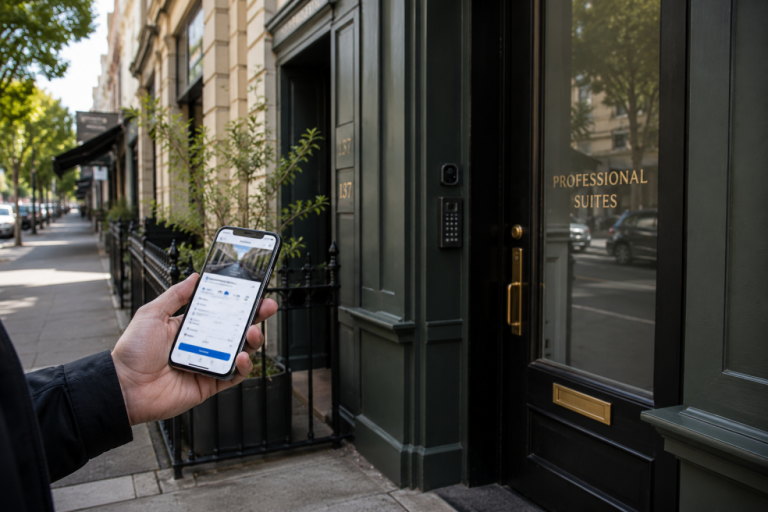
Local relevance comes from useful facts that could only belong to that business. A clinic can show the correct entrance from Queens Parade, explain stairs or lift access, and name the nearest landmark. A cafe can keep its hours, menu, bookings, and pickup process current. A trade can show work completed in the real service area and state where travel charges or limits begin.
The weak version is a set of near-identical pages for Clifton Hill, Fitzroy North, Northcote, and Fairfield. Changing the suburb in the heading does not create local value. Google describes substantially similar regional pages that funnel visitors to one destination as doorway abuse. One developed service-area page with genuine differences is stronger than a stack of copied pages.
This matters around Clifton Hill because the catchment crosses boundaries. Queens Parade itself sits on the Clifton Hill and Fitzroy North border. A useful site should reflect the places the business serves and the practical differences between them, without pretending every adjoining suburb needs its own version of the same sales page.
A website and a Google Business Profile work together in local search. Google says local results are mainly based on relevance, distance, and popularity. A business can improve the information that supports relevance and popularity, but it cannot rewrite the distance between its address and the person looking for the service.
That limit is important. More suburb names will not move a shopfront closer to someone in another part of Melbourne. The useful work is to make the business easy to understand, keep the profile accurate, collect genuine reviews, and give the website enough service detail to support the profile.
A business can check the basics without opening a large project:
These checks are small, but they remove the contradictions that make a local business look neglected. A polished site cannot rescue an incorrect address or closed-day listing. The profile cannot explain a complex service as well as a developed page can.
Clifton Hill businesses often lose the decision through ordinary gaps. The cafe website loads slowly over mobile data and hides the menu behind a PDF. The clinic lists treatments but gives no clue which practitioner suits the problem. The local service company has good reviews, yet its enquiry form asks for ten fields before it accepts an enquiry.
These faults matter more in a neighbourhood setting because another option is close. A person can keep walking along Queens Parade, check a business in Northcote, or book across the border in Fitzroy North. The competitor does not need a remarkable website. It only needs to answer the next question first.
The best web design for Clifton Hill is therefore less about decorative local cues and more about reducing delay. Strong pages make the offer clear, show proof near the claim, and put the next action where it is expected. They also make routine updates easy, because hours, practitioners, menus, and services change long before a full redesign is due.
Queens Parade is changing despite its heritage shopfronts. In March 2026, the Victorian Government issued a permit for a 12-storey residential building with affordable housing and ground-floor retail at 201-215 Queens Parade and 6-12 Dummett Crescent, at the Fitzroy North end of the strip. A permit does not guarantee an immediate opening date, but it shows the direction of change around the corridor.
New residents and new ground-floor businesses alter the local decision. They bring customers who do not already know which doorway belongs to a clinic, which cafe takes bookings, or which service business has been there for years. The website has to carry more of that introduction, while existing customers still need fast answers to familiar questions.
A useful starting point is a review of the pages that lead to a visit, booking, or enquiry. CJ Digital can assess the current site, the local information around it, and the parts that need rebuilding rather than decoration. Start with the web design service page, then use the contact form to outline what is getting in the way.
No. Local proximity only matters when it changes the finished work. A Melbourne web designer can handle the project well if they understand the business, verify the local details, and build the site around the real customer decision.
Only when the pages contain genuinely different information. Queens Parade crosses the suburb boundary, so one strong page can often cover the shared catchment better than two copied pages with changed place names.
No. Google says local results mainly depend on relevance, distance, and popularity. A website and Business Profile can support relevance and popularity, but no web designer can guarantee a particular map position or change the business address.
Current opening hours, location, menu, booking rules, and the next action should appear early. A cafe site should help someone decide within seconds on a phone, especially when the visit is being planned for the same day.
The clinic should make practitioner roles, services, booking options, and access details clear. Suite numbers, entrance directions, stairs or lift information, and nearby landmarks can prevent a familiar building from becoming a confusing first visit.