




Web design for a Croydon workshop should help a customer plan the whole service visit. The suburb’s shopping centre has a train station and a bus interchange. That gives customers transport options to check for the period without their car. Explain how to reach the premises as they are today, what happens at handover and how collection will be confirmed. Publish only the arrangement the workshop keeps.
A service customer may need to leave the car at a workshop or auto electrical business, then be somewhere else. Arrival, the onward trip and collection need to fit that person’s day without a promised repair duration.

Customers need to know how the appointment fits around their other commitments before they book.
The council’s own description of the centre lists the Main Street shops and cafes. It lists the train station and bus interchange as well. That is the setting a customer plans around. It does not prove that any one workshop is an easy walk from the station.
Consider a fictional customer with a nine o’clock appointment and somewhere she has to be by eleven. Leaving the car does not settle how she will get to that next commitment or when she should return.
Keep the messages on the booking page distinct:
Use the message that matches the arrangement the business has confirmed.
How a workshop takes bookings is a separate question. Phone, form or both, and how fast each is answered, are the subject of phone and booking forms.
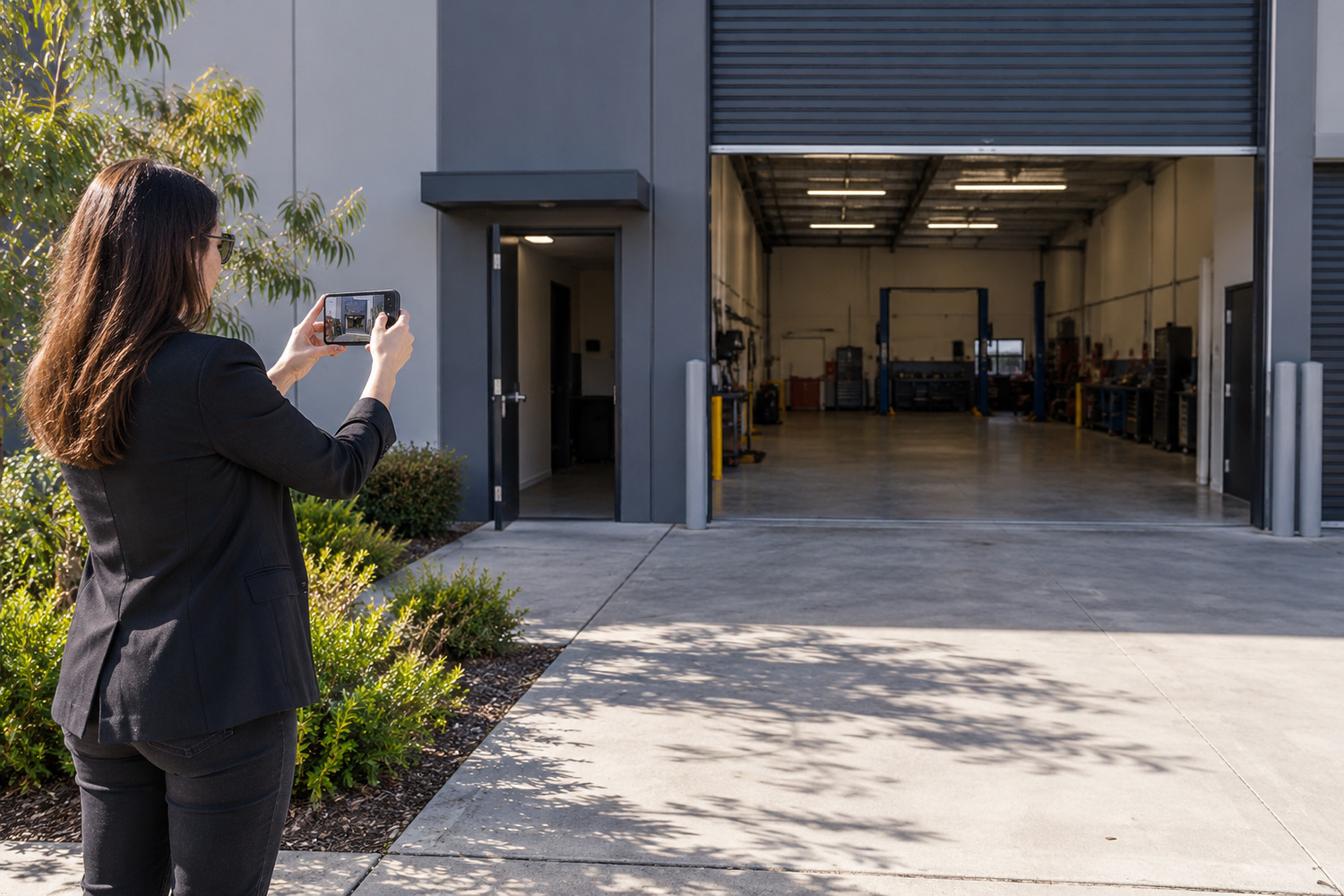
Arrival information is everything that tells a driver where to turn in: the map pin, the street description, the photo of the frontage and the written directions.
A map pin locates a business, but may not identify the vehicle entrance, where to leave the car or the pedestrian exit. Check what it shows before relying on it for those directions.
Roads near a station change. The state’s own project record for Coolstore Road says the level crossing there has been removed. It says a new road connection has replaced the old roundabout, and that a new road runs under the rail line between two nearby streets. A photo taken before that work can show a layout a driver will not find.
Check the arrival information against the street as it is now:
Check these details at the actual premises rather than drawing a route from an old image.
Accurate arrival directions serve someone already planning a visit. For deciding which areas the business should serve, see reaching customers in neighbouring suburbs.

At handover, the customer leaves the car for the agreed work and needs a plan for the rest of the day.
Picture a made-up auto electrical business near a station. Its home page says so, in one line. That line still leaves three things open. Which way does a customer walk out of the yard? Where do they find out what is running that day? And what, if anything, will the business itself do to help?
A station is something to check, not a connection anybody can promise. Services change. A copied timetable can become outdated between website updates. Send the customer to the state’s own public transport journey planner instead.
Not every customer leaves on foot. Some are followed in by a second driver. Some walk to a job nearby. Others may want to wait. Explain whether waiting is possible for the agreed appointment, rather than assuming everyone will leave or stay.
Then say what the business genuinely does, in plain words. A lift to the station is a real arrangement where it is offered, and so is a loan car. Neither belongs on a page that cannot deliver it. Neither can be borrowed from a competitor.

A booking time and a collection time answer different questions. The first is when the car arrives. The second is when the customer can have it back.
When a page gives only the arrival time, a customer planning a return trip still needs to know how collection will be confirmed. A morning booking cannot answer that later question.
Publish a progress-update commitment only if it matches the workshop’s real arrangement. For example, “we will call you by midday with progress” promises an update, not “ready by midday”. Do not publish either deadline unless the business can meet the commitment it makes.
The two must not be worded as though they were the same thing. An update is news about the work. A confirmation is permission to come and collect. If an update sounds like confirmation that collection is possible, a customer may set off before that has been agreed.
Extra work moves the plan. If a job grows, the agreed collection time can change, and the customer has to be reachable. Publish the real route for that approval and the hours somebody answers it. For the broader response and approval process, see workshop enquiry handling.
If someone else may collect the car, explain the actual release arrangements before they make the trip. Do not invent a rule about who can collect or what they must bring.
An early key drop settles none of this. A key left in a box before the counter opens says nothing about when work starts. It says nothing about whether the car can be picked up later that night.

The test is to follow one visit through your own pages. Stop at the first question they do not answer.
Take the invented customer from the start. A weak page confirms her appointment and mentions that the station is close by. It does not say which entrance to use. It does not say whether anyone will tell her the car is ready, or what happens to her afternoon if the job runs long. Three transitions, none of them covered.
A useful revision adds the missing information. It describes the approach as the road is now. It states the handover arrangement the business has. It sends her to the official service information for her own trip. And it keeps the update it will give apart from the confirmation she needs.
Every one of those lines has to be true of the business. A copied policy can send someone there expecting an arrangement the workshop does not offer. Check the actual arrangements before publishing them.
Apply the same exercise to the work you take on. A repair appointment, an inspection and a retail purchase involve different arrangements, as discussed in websites for different business models.
Do this before anyone talks about a redesign. Read your service page aloud as though you were the customer. Mark the first point where you would have to ring to find out what happens next. That line is your brief. CJ Digital’s website design page describes a build an owner can edit without paying a developer for every change. That matters here, because this wording often needs revising once real customers start testing it.
No. State the actual assistance offered, including where there is none, so customers can assess their own onward arrangements. Clear information helps them plan; it cannot make every transport option workable.
Beside the booking step, where the customer is deciding. If it appears only after booking, they may already have made travel plans that do not fit the appointment.
Say whether you will release it to a person other than the one who booked, and what that person needs to bring. Make the arrangement clear before that person sets out.